Veterinarian Sartell MN
Pet Hospital St Cloud MN

320.257.0911
911 Scout Drive
Sartell MN 56377
 
Home   Services   Preventive Medicine  Surgery  Emergencies  Diagnostic Services  Dental Care  

Should I Microchip my Pet?


Advanced Care Pet Hospital highly recommends microchipping your pets!


Sartell MN Vet
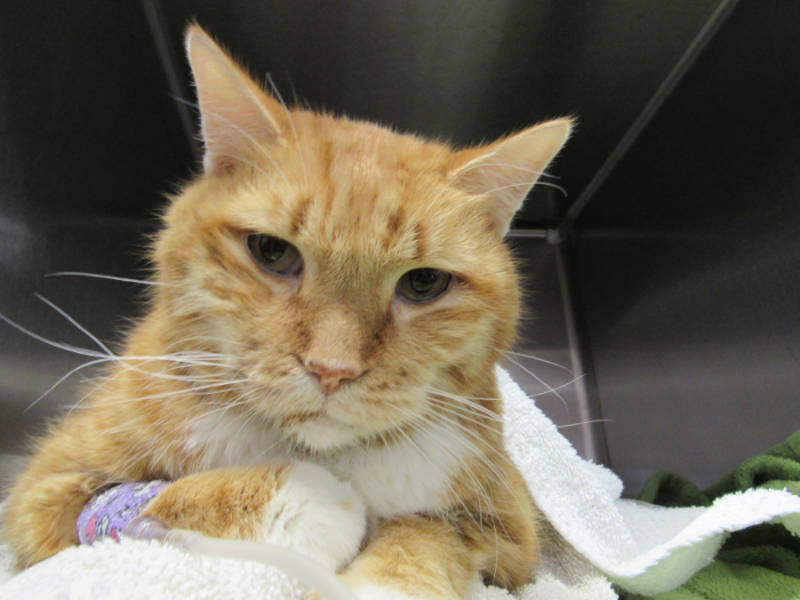
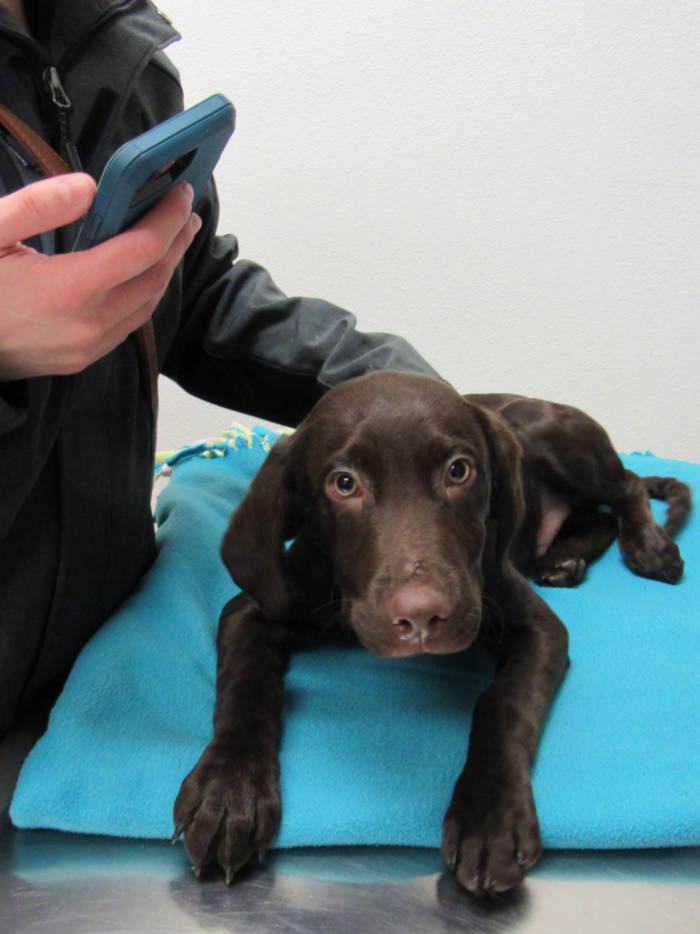
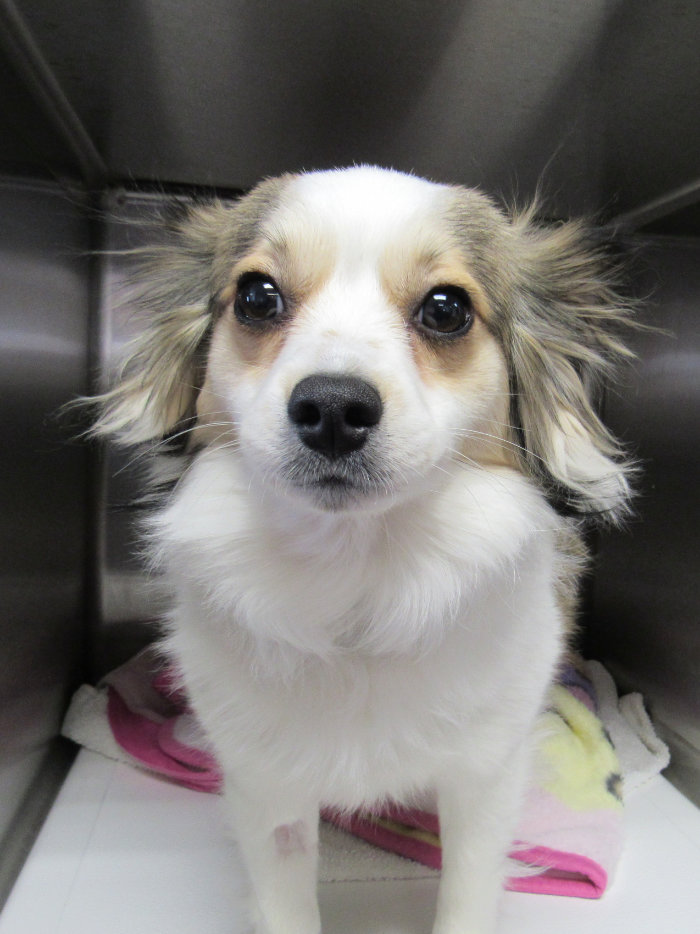
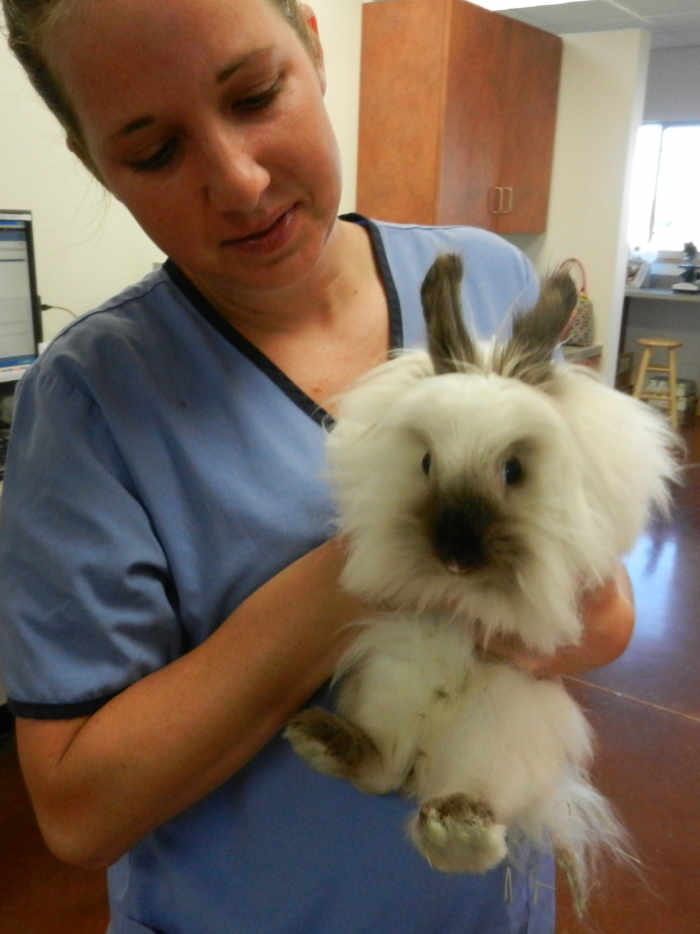
Arlo pictured above, microchipped Friday February 5th 2010.


Yes, of Course You Should Microchip Your Pet!

Why?
On Tuesday March 23, 2010, we had a family bring in dog they found running around Pine Cone Marketplace. It had very clean teeth, a current rabies tag from Granite City Pet Hospital but no microchip. By sheer luck the owner stopped in and asked if anyone had brought in a dog hit by a car. Fortunately the dog was brought in unharmed. Granite City Pet Hospital and Tri-County Humane Society both happened  to be closed already.

That just happened, here are some findings from 2007 research by the AVMA.

The January 2007 Journal of the American Veterinarian Medical Association featured  an article titled Search and Identification Methods that Owners Use to Find a Lost Dog or Cat, found:

  • 41% of lost cats were reported by their owners to be indoor-only. In addition,
  • 46% of lost dogs had been lost at least once before

The Humane Society of the United States found that when lost, return to owner rates for dogs is only 14% and only 2% - 4% for cats.

Perhaps you have not already been through the range of emotions and distress brought on by a lost pet. Between making posters, offering a reward, calling authorities, animal shelters and driving around the neighborhood, there is a lot of time, effort and stress required in pet recovery. We don't even have to mention how this can be compounded if you have school age children.
It certainly is no less stressful for your pet!

Put in this context, getting a microchip for your pet should be a no brainer. However you may think:

Why buy a microchip when I have a collar? I have a tag on my pet's collar with their name and my phone number, why pay for a microchip?   Frankly most lost pets get lost without wearing their collar.

Although just a bit larger than a grain of wild rice, a microchip is perhaps the most successful means of reuniting lost pets with their owners. A microchip carries a  unique ID number, and this number is in a database that includes the name and contact information of a pet's owner. This database is as close as the internet. Most pet care facilities, including Advanced Care can scan a lost pet with a microchip and contact  the owner within minutes

How Pet Microchips Work

The basic technology inside a microchip dates back decades. Only recently have these devices became affordable for the average pet owner.

A pet microchip uses radio frequency identification (RFID) technology. RFID, as the name implies, uses radio waves to transmit information. An RFID tag stores data and, using electromagnetic forces for power, communicates that data to a device that interprets it. The microchip is inert, in that it has no internal power source and does not actively transmit information. It just holds a unique ID number for your pet.

The material that encapsulates the device is biocompatible meaning it's not toxic and doesn't hurt the animal's body. Your pet won't experience an allergic reaction to the device. Some microchips have a cover made of polymer to keep the chip from moving around once it's inside the animal, often referred to migration. The polymer works by encouraging connective tissue and other kinds of cells to form around the capsule to hold it in place. Microchips don't expire or wear down. They're good for the life of the pet.

Inside the capsule, is a silicon microchip that holds the data, as well as a tuning capacitor and an antenna coil. The capacitor receives power from the scanner and sends it to the microchip. The microchip's information is transmitted back to the scanner through the antenna coil.

Most veterinarians, animal shelters and related facilities are equipped with these scanners to read the microchips. When energized, the microchip sends radio signals back to the scanner with the identification number. The scanner displays the identification number.

The cost for the procedure in the St. Cloud market ranges between $50.00 & $60.00. Some distributors of microchips require pet owners to pay a fee to register their pet's chip on their database. AVID and HomeAgain are examples of companies requiring a registration fee.

Advanced Care Pet Hospital has priced their micro at the bottom of that price range and we have chosen a provider which DOES NOT require a registration fee.

Also, there are no annual fees for microchip registration at Advanced Care. We use an ISO recognized universal scanner which can detect, read and display the actual microchip numbers from all pet microchips.


Please don't hesitate to call us for more information about microchipping your pets, we highly recommend it.

When we first came home with our Yorkie Poodle Mix, she high tailed it one afternoon and we were reunited less than an hour later when a local animal care place called us.

For more information, call us at 320.257.0911.


Below is a link for the American Veterinary Medical Associations topic page on microchipping your pet. Dr. Gerds has been an AVMA member since she began practicing 16 years ago.

AVMA Microchip Frequently Asked Questions


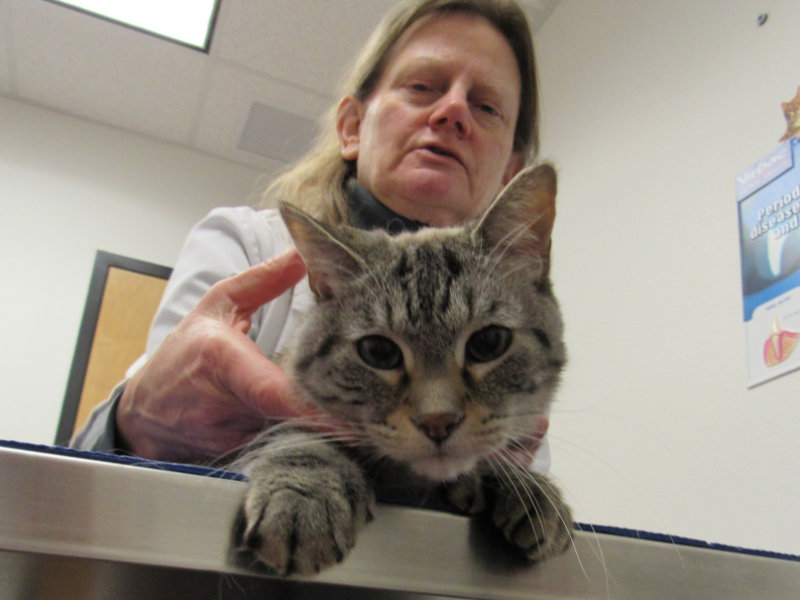
Cat Microchip
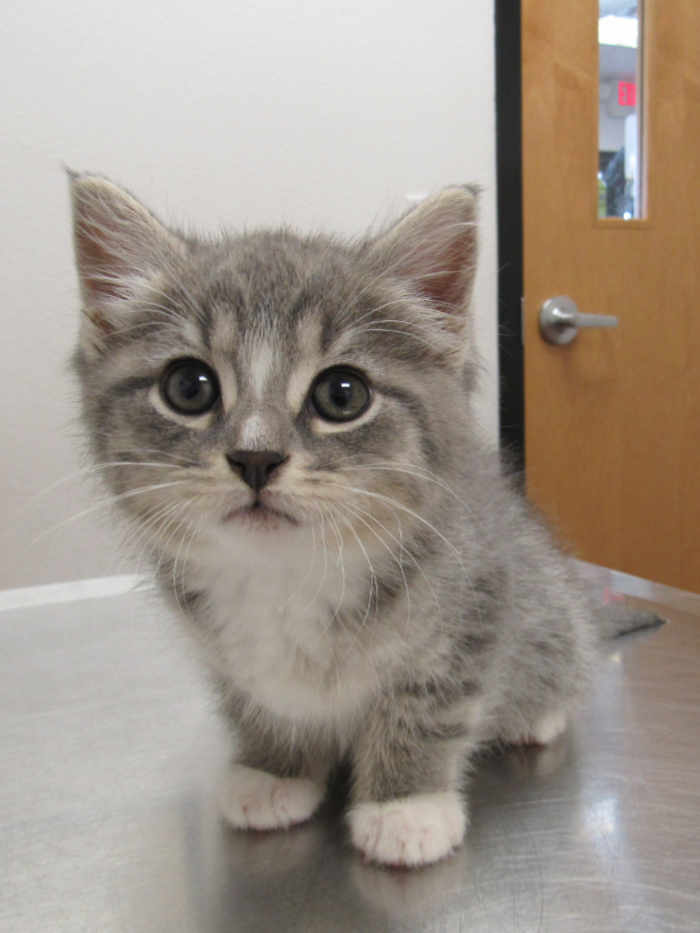
Morris, pictured above


Services
Preventative Medicine
Surgery
Emergencies
Diagnostic Services
Dental Care


Tri-County Humane Society


Serving pets and their people from:

Sartell MN
Waite Park MN Animal Hospital
Sauk Rapids MN Pet Hospital
St. Cloud MN Animal Hospital
St. Joseph MN Pet Hospital
Stearns County
Benton County
Minnesota Pets
MN Cat
MN Kitten
MN Puppy
MN Dog